Independent science initiative
DIY
Clarify
Testing ideas and making science easier to understand — so we can learn more about ourselves and live healthier lives in a changing world.
Discover the EggsperimentSupport the project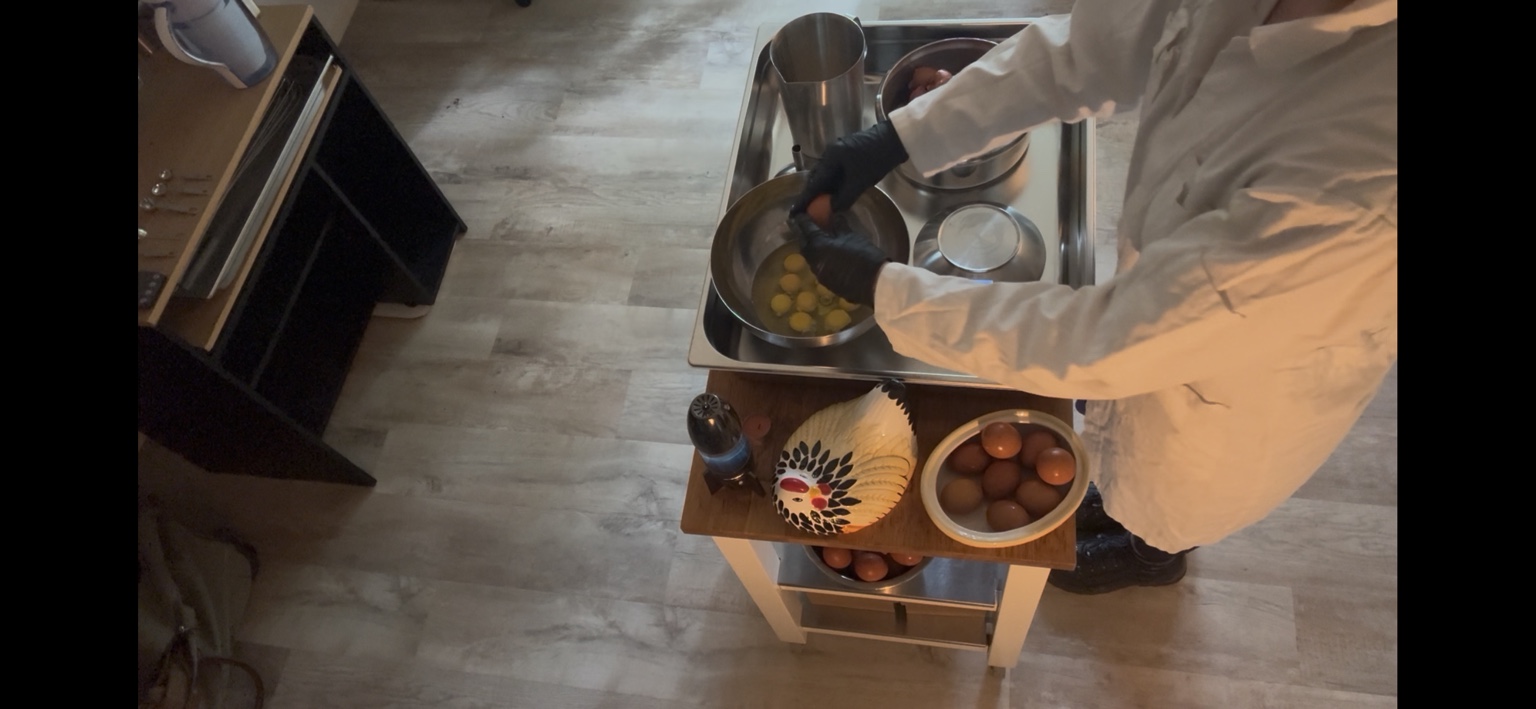
Testing ideas and making science easier to understand — so we can learn more about ourselves and live healthier lives in a changing world.
Discover the EggsperimentSupport the project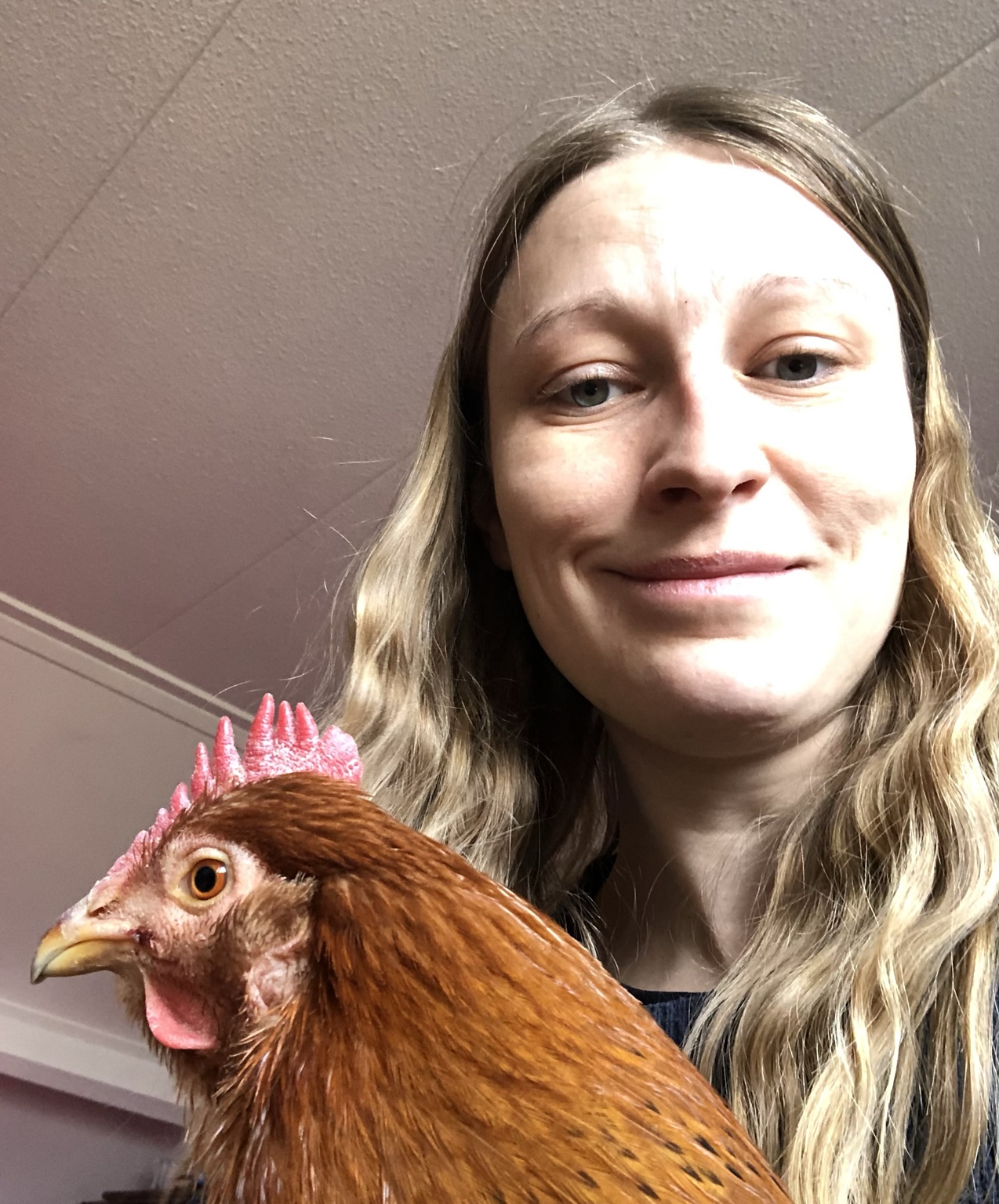
DIYClarify is an independent science initiative created to turn scientific questions into accessible solutions.
The goal is for people to discover more about themselves, obtain practical and understandable knowledge, and use that knowledge to make more informed choices.
As a scientist specializing in biotechnology, biochemistry, mathematics and biology, I test scientific ideas and investigate questions that can matter in everyday life.
With DIYClarify, I aim to find practical applications and solutions for current challenges, helping to bridge the gap between scientific discoveries and our everyday lives.
Our environment is changing, and substances that were once considered useful can sometimes end up where we don’t want them — in our soil, water and even our food. DIYClarify investigates problems like these and asks a simple question:Can science help us find a better way?
PFAS (per- and polyfluoroalkyl substances) are a group of chemicals with strong carbon-fluoride bonds, many break down extremely slowly and persist for a long time in the environment giving them the name “forever chemicals.”
This persistence is one reason scientists and regulators are interested in understanding and reducing PFAS exposure.
PFAS can accumulate in soil, water, plants, food and animals, including people. PFAS are often high in eggs from chickens in backyards and petting zoos.
Throwing away an entire egg because part of it contains too much PFAS also means throwing away valuable nutrients, including proteins.
That made me wonder:
What if we could separate an egg into different parts (called fractions) and make the PFAS move mainly into one fraction, while recovering a valuable protein-rich fraction with no detectable PFAS?
The goal of the Eggsperiment is to separate PFAS from valuable egg components.
Eggs can contain unwanted PFAS contamination, the current advice is not to eat eggs from backyard chickens and petting zoos, and to throw them away into the general waste. A valuable food source is going to waste.
Can useful egg components reproducibly be separated from the PFAS present in contaminated eggs?
Experimentally testing what materials can be recovered from contaminated eggs, and validation with independent analyses.
At DIYClarify I am developing a method to separate the egg into different fractions.
The goal is to enrich the PFAS in a fraction that is separate from valuable protein and fats.
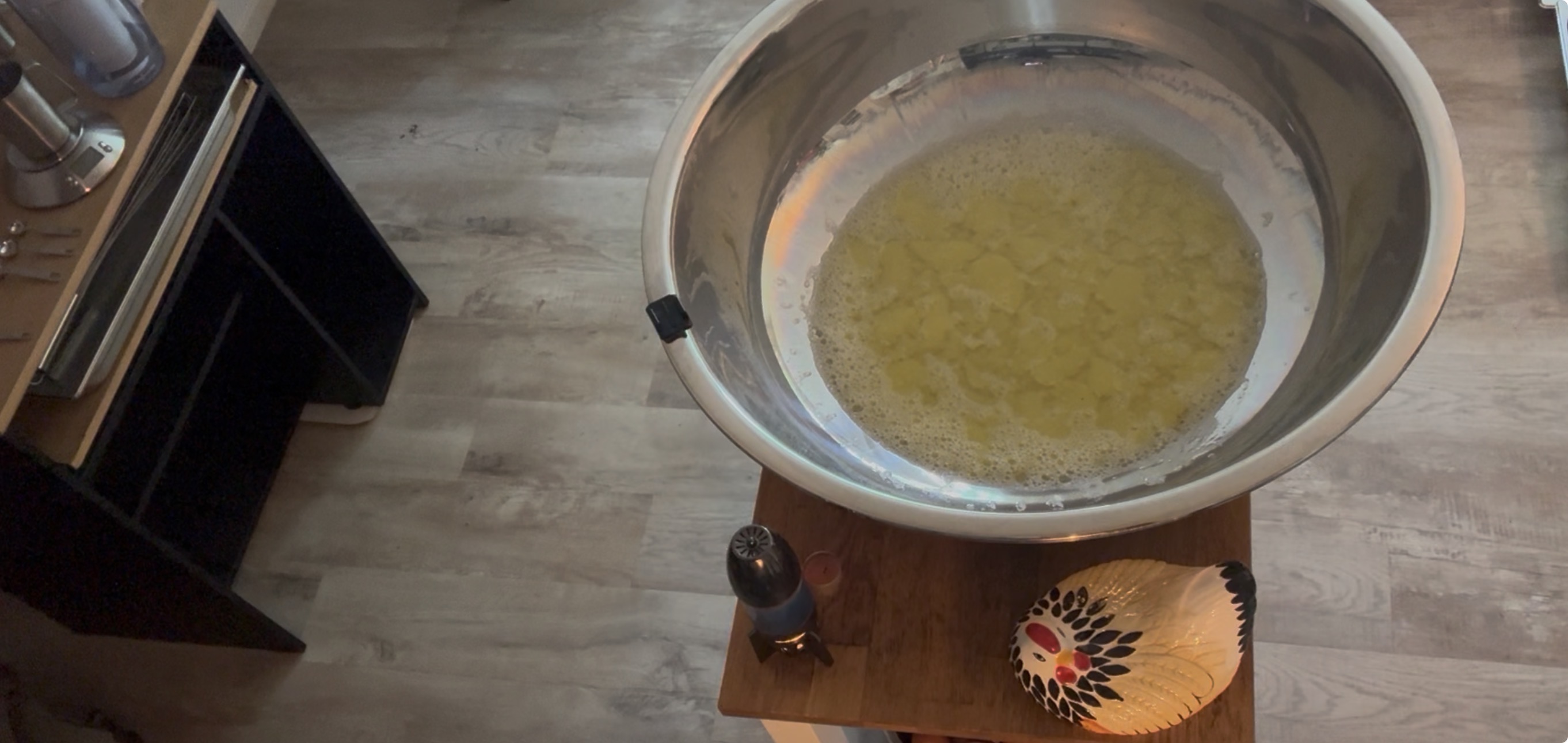
What does “not detected” mean? The measured PFAS were below the method's detection limits.
Contributions help pay directly for laboratory tests, allowing more eggsperiments to be done and bringing us a step closer to making the findings public.
Detecting PFAS accurately requires sensitive mass spectrometry analysis. I have samples analyzed by an independent, accredited laboratory, the tests are costly and I am currently paying for them myself. If you would like to help fund further testing, I would be very grateful for your support.
Donate with Tikkie
Join the DIYClarify initiative to bring people with similar questions together, learning collaboratively and finding ways to adapt to our changing environment.
Interested in donating eggs for research, or interested in testing your eggs for PFAS? Send an email to DIYClarify@gmail.com to find out more.
KvK: 97923222
Hoofdbranche: 72100 — Natuurwetenschappelijk onderzoek en experimentele ontwikkeling